

-
June 11, 2026
Event date:
-
June 12, 2026
Event end:
Overview
The Paris Conference on AI & Digital Ethics 2026 returns for its highly anticipated fourth edition, establishing itself as Europe’s premier interdisciplinary platform for investigating the societal, political, and philosophical impacts of automated technologies. Hosted inside the prestigious Mines Paris – PSL University, this rigorous two-day assembly serves as a critical bridge separating theoretical academic research from practical policy engineering and corporate deployment models. The event acts as an international crossroads where world-class research scholars, technology founders, legislative policy makers, and civil society advocates confront the urgent sociotechnical challenges of our era.
The curated intellectual program is structured around four foundational thematic pillars designed to address the most urgent points of friction between human values and computational networks. Leading authorities guide intense sequences tracking the macroeconomics of automated workplace transformation, bioethical accountability in machine-assisted medical care, affective personalization in human-machine relationships, and the physical carbon costs of global data infrastructure. Attendees will engage with high-signal scientific papers, philosophical inquiries, and institutional strategic plans that actively shape global regulatory architectures.
Beyond the formal lecture schedules, the summit cultivates a high-caliber network optimized for cross-sectoral collaboration and international treaty alignment. The layout of the historic academic venue offers structured meeting grounds, open dialogue lounges, and collaborative research workshops designed to turn conceptual ethical frameworks into practical corporate guidelines. This unique concentration of deep scientific inquiry and regulatory leadership ensures that participants leave with a profound understanding of how to steer technological advancement responsibly.
Enjoy Your Event Stress-Free with Biz Travelo
Do you know? Attending conferences, expos, trade shows, and corporate events worldwide can be challenging—managing schedules, accommodation, transportation, and event coordination takes time and planning. Biz Travelo makes it simple by helping professionals and businesses organize their event experiences through one trusted platform. Save time, reduce stress, and enjoy a smoother business event journey from start to finish.
Event Highlights
- Four Deep Thematic Tracks: Specialized full-sequence segments addressing artificial intelligence deployment across health systems, labor markets, human social interactions, and environmental ecosystems.
- Global Academic Integration: A highly competitive research symposium featuring over forty selected expert speakers presenting groundbreaking papers on algorithmic opacity and machine moral competence.
- Interdisciplinary Matchmaking: A curated forum bringing together deep-tech developers, corporate compliance officers, United Nations representatives, and legal scholars under a shared governing objective.
- Sovereign Policy Analysis: High-level panel assessments evaluating real-world implementation methodologies for international digital rules and evolving European data compliance guidelines.
Why Attend
Attending this definitive research assembly gives organizational leaders, corporate risk officers, and technical developers a decisive strategic advantage in understanding upcoming regulatory landscapes. The event is ideal for chief compliance officers, artificial intelligence safety engineers, technology policy analysts, institutional legal counsels, and academic researchers seeking to align product design with international ethical principles. Participants benefit from examining real-world case studies detailing the mitigation of algorithmic bias, the boundaries of neurodata collection, and the reduction of model-training energy loads.
The highly academic environment operates as a stellar network booster, allowing entities to co-author scientific frameworks and compare institutional compliance practices with global peers. By engaging with leading scholars from top-tier institutions, enterprises can safeguard internal workflows against emerging legal liabilities and consumer trust fractures. Dedicating time to this concentrated philosophical and operational ecosystem ensures your organization remains fully equipped to champion responsible digital engineering on a global stage.
Date & Duration
- Event Date: June 11 to June 12, 2026
- Event Duration: 2 Days
Visiting this event? Don’t miss out on these amazing activities and local experiences while you’re here.
Ticket Information
- How Tickets Are Sold: Delegate credentials and institutional registration passes are issued through the main digital booking engine hosted on the official conference portal.
- Admission Type: Paid professional and academic admission tiers with specialized concessions available for full-time researchers, doctoral candidates, and civil society representatives.
- Ticket Pricing: Access configurations track across a standard academic pricing spectrum opening from a minimum rate of approximately 218 USD for research students up to a maximum fee of roughly 654 USD for corporate delegates.
- Special Seating Options: Amphitheater seating operates entirely on an open-access format where individual seats are claimed on a first-come, first-served basis prior to each track session.
- VIP Options: High-tier delegate credentials unlock access to private speaker dining areas, closed-door committee workshops, and the closing evening networking reception.
Venue / Location
- City and Country: Paris, France
- Venue Name: École des Mines de Paris (Mines Paris – PSL University)
- Google Maps Address: 60 Bd Saint-Michel, 75272 Paris, France
Contact Information
- Email: contact@paris-conference.com
- Official Website: https://paris-conference.com/
- Social Media Links:
- https://www.linkedin.com/company/pcaide
Getting There
- Nearest Airport: Paris-Orly Airport is located approximately 10 miles south of the university, while Paris Charles de Gaulle Airport sits around 21 miles to the northeast.
- Nearest Train/Metro Station: The Luxembourg RER B station is located directly outside the campus gates, providing instant regional rail access across the city center.
- Bus Routes or Public Transport Options: The local boulevard is heavily serviced by municipal bus networks, including primary city routes 21, 27, 38, 82, and 85 stopping near the entrance.
- Parking Availability: Public on-street vehicular parking spaces are highly limited, but secure multi-level underground parking facilities operate nearby at the Indigo Luxembourg garage.
- Directions by Car: Drivers can travel toward the central Left Bank of Paris via the Boulevard Périphérique ring road, exiting toward Porte d’Orléans and following the northbound track along Avenue du Général Leclerc to Boulevard Saint-Michel.
What is this event?
This event is the leading international academic and professional conference focused on analyzing the philosophical, legal, and environmental impacts of artificial intelligence systems. It acts as a highly specialized meeting ground where developers, corporate decision-makers, and researchers dissect systemic digital threats.
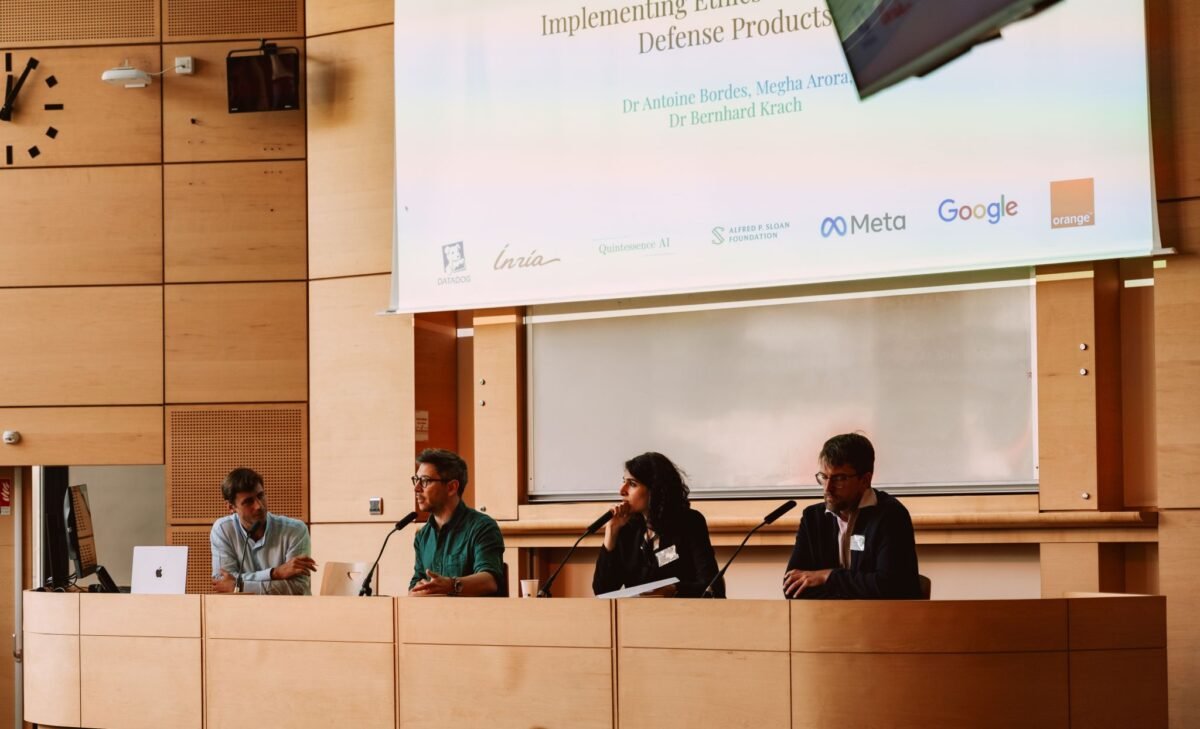
The multi-day symposium features peer-reviewed research presentations, interdisciplinary panel debates, and policy workshops within a historic Latin Quarter university setting. The main goal centers entirely on building cross-border frameworks that encourage safe, transparent, and equitable machine automation.
Why is it popular?
The event is popular because it gathers an elite concentration of leading data scientists, corporate ethics chiefs, and global policy designers within an intimate environment. This high density of niche expertise encourages authentic, deep debates regarding regulatory frameworks and systemic algorithmic bias.
Furthermore, its impeccable reputation stems from its strict focus on deep scientific research over commercial marketing hype, ensuring high-signal educational outcomes for all delegates. The balance of academic rigor, corporate compliance blueprints, and interdisciplinary collaboration makes it a critical annual benchmark for global technology governance.
Tips before you go
- Finalize your digital pass collection and check your session schedule early through the portal to bypass morning lines at the historic campus entry gate.
- Review the published research abstracts prior to arrival so you can target specific session rooms and prepare questions for the presenting authors.
- Pack a laptop or dedicated notepad along with a compact charging bank to document the heavy volume of technical policy data shared across sessions.
- Dress in polished business casual or standard business attire to match the professional blending of academic faculty, corporate directors, and policy officials.
- Arrive at the main amphitheater at least ten minutes prior to the high-profile keynote addresses as general seating fills up rapidly.
Attendee Experiences
- The deep intersection of technical AI developers and policy directors provided an incredible perspective on how future global regulations will impact product roadmaps.
- Listening to the environmental panels on the carbon costs of modern model training gave our development team highly valuable governance takeaways.
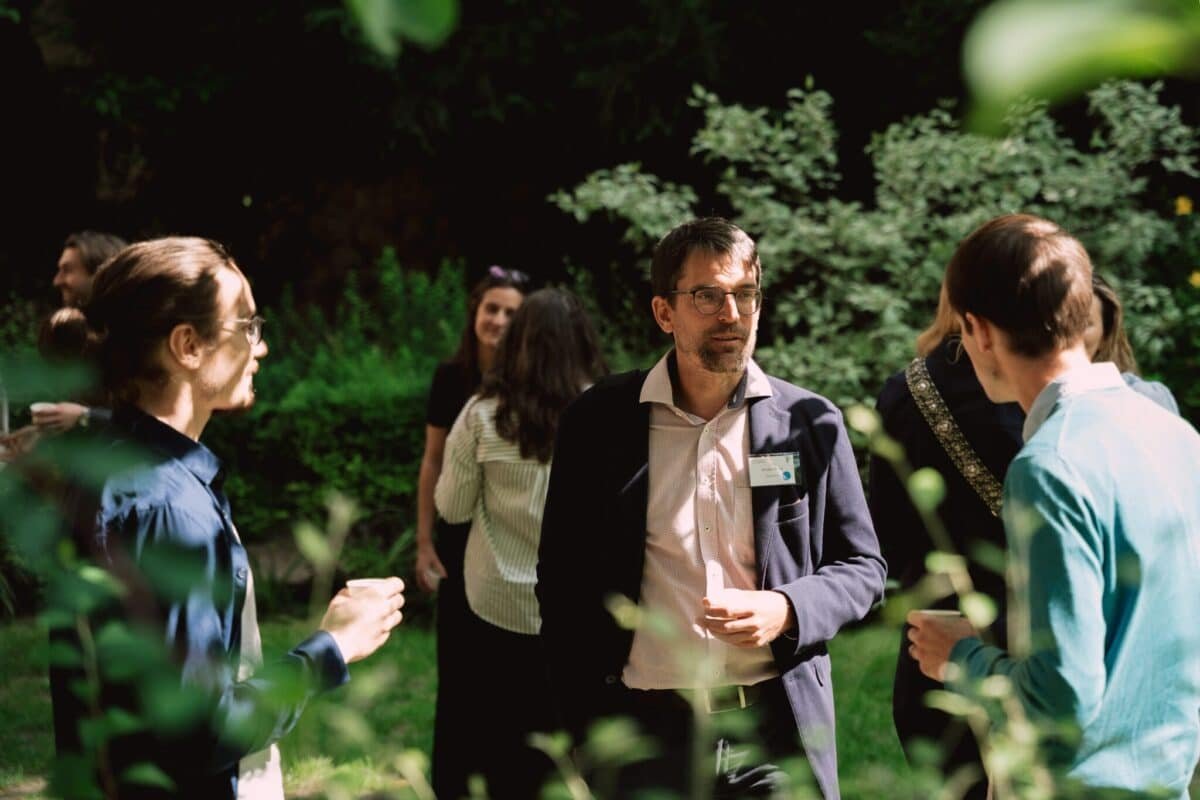
- The intimate setup at Mines Paris allowed for deep, authentic peer discussions that went far beyond standard commercial trade show talking points.
Location
FAQ
Does a standard delegate pass grant entry to all four thematic presentation tracks?
Yes, your general registration badge provides open access to all keynotes, research paper presentations, and panel debates across all four thematic tracks over the two-day period. This allows attendees to transition freely between the health, work, environment, and social interaction tracks depending on their specific learning priorities.
Are full catering services provided to attendees over the two-day conference?
Standard conference registration covers light morning refreshments, tea, and espresso breaks hosted within the university networking areas between sessions. While formal sit-down meals are not included, the surrounding Latin Quarter neighborhood offers hundreds of exceptional bistros, cafes, and dining options within immediate walking distance.
What are the general professional dress expectations for the event?
The attendee demographic balances university researchers, corporate legal counsels, and government representatives, making business casual or formal professional attire the appropriate choice. Delegates are encouraged to dress professionally while selecting comfortable footwear suitable for navigating a historic university campus with multiple floor levels.
Will video playbacks of the research paper presentations be accessible after the live sessions?
The majority of public keynotes and selected research presentations are recorded digitally and published on the secure event archive engine for registered attendees. Access privileges and the ultimate availability duration for these digital video resources depend entirely on your specific registration configuration.
How can our research lab or public policy institute submit materials for future editions?
The call for papers typically opens during the autumn season preceding the next summer assembly, requiring full abstract and draft paper uploads via the portal. Submissions undergo a double-blind evaluation process conducted by the scientific committee to maintain the high academic indexing standards of the event.

Leave a Reply